In today's increasingly eco-conscious world, consumers are seeking out products that not only meet their needs but also align with their values of sustainability and environmental stewardship. This trend is particularly evident in the personal care industry, where soap clamshell packaging has traditionally been a staple. However, as awareness of plastic pollution grows, businesses are being urged to adopt more sustainable packaging solutions. Enter biodegradable soap packaging – a game-changer for the soap industry and a beacon of hope for our planet. Let's explore the myriad benefits of this innovative packaging option.
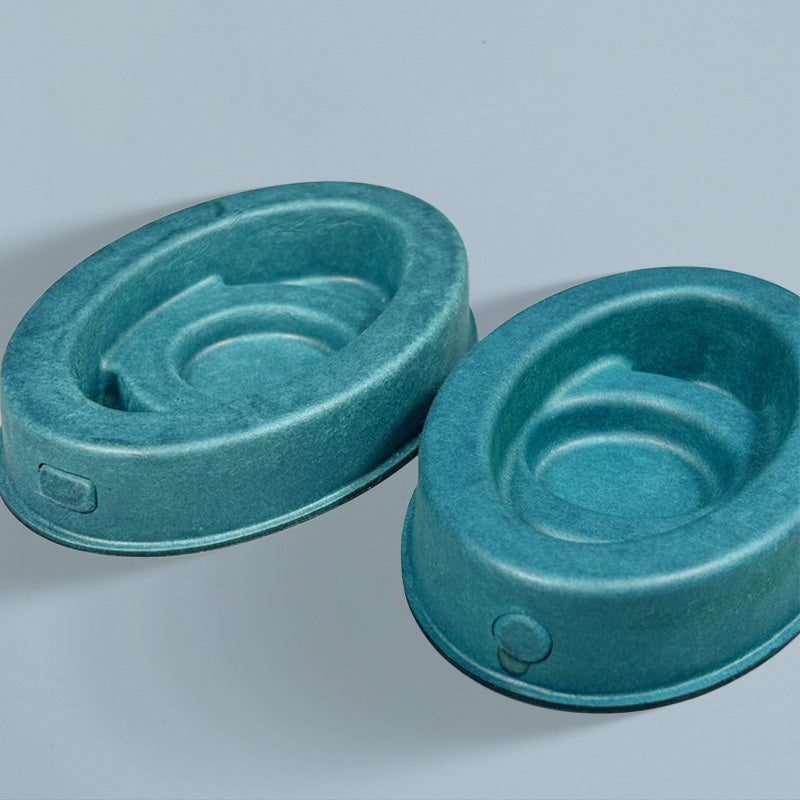
1. Reduced Environmental Footprint
One of the most compelling advantages of biodegradable soap packaging is its significantly reduced environmental footprint compared to conventional plastic packaging. Traditional plastic soap clamshells can take hundreds of years to decompose, posing a serious threat to marine life and ecosystems. In contrast, biodegradable soap packaging is designed to break down naturally in a relatively short period, minimizing landfill accumulation and marine debris. By choosing biodegradable soap packaging, soap companies can demonstrate their commitment to environmental responsibility and contribute to a cleaner, healthier planet.
2. Support for Circular Economy Principles
Biodegradable soap packaging aligns with the principles of a circular economy, which emphasizes the reduction, reuse, recycling, and recovery of resources. Unlike conventional plastics, which often end up as waste, biodegradable packaging can be composted or naturally decomposed, returning nutrients to the soil and closing the loop on material usage. This circularity not only conserves natural resources but also promotes a more sustainable and resilient production system. Soap companies that adopt biodegradable packaging are playing a pivotal role in driving this transition towards a circular economy.
3. Enhanced Brand Image and Consumer Appeal
In an era where consumer preferences are increasingly shaped by ethical and environmental considerations, biodegradable soap packaging can be a powerful brand differentiator. It sends a clear message to consumers that the soap company values sustainability and is committed to minimizing its impact on the environment. This positive brand image can translate into increased consumer loyalty, as eco-conscious shoppers prioritize products that align with their values. Moreover, biodegradable packaging often has a more natural, earthy aesthetic that can appeal to consumers seeking a return to simplicity and purity in their personal care products.
4. Cost Savings Over Time
While the initial investment in biodegradable soap packaging may be higher than that of conventional plastics, the long-term cost savings can be substantial. With governments worldwide implementing stricter regulations on single-use plastics and consumers demanding more sustainable options, the demand for biodegradable packaging is expected to grow. This increasing demand can drive down production costs as economies of scale kick in. Additionally, by reducing waste and the associated disposal costs, soap companies can further reduce their operational expenses. Thus, the adoption of biodegradable packaging can be a strategic investment in the company's future sustainability and profitability.
5. Promoting Innovation and Technological Advancement
The push towards biodegradable soap packaging is driving innovation and technological advancement in the packaging industry. Manufacturers are continually developing new materials and processes to create packaging that is both biodegradable and functional. These innovations not only benefit the soap industry but also have the potential to spill over into other sectors, fostering a broader transition towards more sustainable packaging solutions. By embracing biodegradable packaging, soap companies can position themselves at the forefront of this technological revolution, contributing to the development of more eco-friendly alternatives across various industries.
6. Reducing the Risk of Plastic Pollution
Plastic pollution is a global crisis that affects every corner of our planet. Marine life ingests plastic debris, mistaking it for food, leading to poisoning, starvation, and entanglement. Land animals and birds also suffer from ingestion or entanglement in discarded plastic. By opting for biodegradable soap packaging, soap companies can significantly reduce the volume of plastic waste entering our oceans, forests, and urban environments. This step is crucial in mitigating the devastating impacts of plastic pollution and preserving biodiversity for future generations.
7. Case Study: EcoSoap Company Embraces Biodegradable Packaging
Consider the fictional soap company, EcoSoap. Recognizing the urgent need for more sustainable packaging solutions, EcoSoap decided to switch from traditional plastic clamshells to biodegradable packaging. The company worked with a specialist packaging manufacturer to develop a customized biodegradable solution that retained the protective qualities of conventional packaging while being fully compostable. The result was a packaging innovation that resonated with consumers, who appreciated the eco-friendly message and the high-quality presentation of the soap. Sales soared, and EcoSoap became a leading advocate for biodegradable soap packaging in the industry.