Eid is one of the most celebrated festivals in the Islamic world, a time when families come together to mark the end of Ramadan or the festive occasion of Eid-ul-Adha.
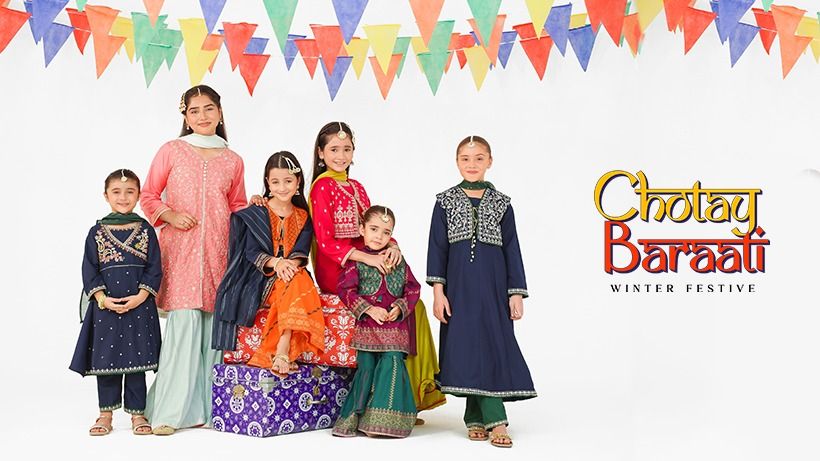
For young girls, Eid is not just about the sweets and celebrations; it is also about dressing up in beautiful, vibrant outfits. One of the most enchanting aspects of these outfits is the embroidery that adorns them.
When shopping for eid dresses for girls, embroidery plays a pivotal role in enhancing the charm, elegance, and festive appeal of each outfit. This guide explores the popular embroidery styles that are trending and loved for girls’ Eid dresses.
Why Embroidery is Important in Eid Dresses for Girls
Embroidery transforms a simple fabric into a masterpiece. For eid dresses for girls, it adds elegance, color, and texture that make the dress special. Young girls enjoy wearing dresses that look festive yet comfortable, and intricate embroidery often achieves this perfect balance. Whether it is a traditional design or a modern twist, embroidery is central to Eid fashion.
Embroidery is not only about aesthetics; it also reflects cultural heritage. Different regions have unique embroidery techniques, patterns, and color combinations, which have been passed down through generations. Choosing a dress with authentic embroidery can make girls feel connected to their roots while looking fashionable.
Types of Embroidery Styles in Girls Eid Dresses
When it comes to eid dresses for girls, there are numerous embroidery styles. Each has its distinct charm, making the dresses look sophisticated yet youthful. Here are some of the most popular embroidery styles:
1. Zari Embroidery
Zari embroidery involves the use of metallic threads, usually gold or silver, woven into fabric to create elaborate patterns. For Eid dresses, Zari work is popular because it gives a luxurious and royal feel.
Zari embroidery is often seen on the borders of sleeves, neckline, and the hemline of girls’ dresses. It works well on silks, georgettes, and chiffon fabrics. A little Zari on a simple dress can instantly elevate its festive appeal without being overwhelming for young girls.
2. Thread Embroidery
Thread embroidery is perhaps the most common type found in eid dresses for girls. It uses colorful threads to create patterns ranging from floral to geometric designs.
Thread embroidery is versatile. It can be delicate, covering only a small portion of the dress, or it can be bold, making the embroidery the centerpiece of the outfit. This style is ideal for younger girls as it combines both elegance and playfulness.
3. Resham Embroidery
Resham embroidery involves using silk threads to form intricate designs. It is soft, smooth, and perfect for festive dresses.
In girls’ Eid dresses, Resham work is usually seen in floral patterns or motifs inspired by nature. It is highly appreciated for its fine detailing and vibrant colors. For example, a pastel-colored dress with pink and green Resham embroidery on the bodice can look both elegant and cheerful.
4. Mirror Work Embroidery
Mirror work, also known as Shisha embroidery, uses small mirrors stitched into the fabric to add sparkle. It is a festive favorite, especially for Eid dresses that aim to be bright and eye-catching.
Mirror work is ideal for dresses in bright colors like fuchsia, turquoise, or yellow. It pairs beautifully with other embroidery styles, creating a layered and textured look. Young girls love the glitter effect that mirrors add, making them feel special on the festive day.
5. Sequin Embroidery
Sequin embroidery is all about shimmer and shine. Small, shiny discs are stitched onto the fabric to create dazzling patterns.
For eid dresses for girls, sequin embroidery is often combined with thread work or Zari to create a glamorous yet age-appropriate look. Sequins can be subtle, enhancing the neckline or sleeves, or bold, covering larger portions for a more celebratory appearance.
6. Appliqué Work
Appliqué embroidery involves stitching small pieces of fabric onto the main fabric to create designs or motifs. This style is popular in contemporary girls’ Eid fashion.
Appliqué work allows for playful, colorful, and creative patterns. For instance, flowers, butterflies, or stars in contrasting colors can be stitched onto a dress, making it lively and appealing to young girls. This embroidery style is particularly loved for cotton or lawn Eid dresses, as it adds texture without heaviness.
7. Cutwork Embroidery
Cutwork embroidery, also called eyelet embroidery, involves cutting out small portions of the fabric and stitching around the edges. This technique gives a delicate, lacy effect that is perfect for lightweight Eid dresses.
In girls’ outfits, cutwork is often used on sleeves, hemlines, or bodices. It is elegant, airy, and adds a sophisticated charm to the dresses without making them too heavy or elaborate.
8. Bead and Stone Embroidery
Bead and stone embroidery incorporates tiny beads or semi-precious stones into the design. This style gives a three-dimensional effect and adds a touch of luxury.
For eid dresses for girls, beadwork is generally subtle to avoid discomfort for children. Tiny beads around the neckline, waistline, or cuffs can make the dress sparkle without being too heavy. This type of embroidery is especially popular in evening Eid parties or family gatherings.
9. Kashmiri Embroidery
Kashmiri embroidery, also known as Kashida, is famous for its floral and paisley motifs. Traditionally done with colorful threads on wool or silk, this embroidery style has been adapted for girls’ Eid dresses.
The charm of Kashmiri embroidery lies in its elegance and rich patterns. Dresses with this style often feature delicate flowers or vine patterns along the borders or throughout the bodice. It is perfect for those who love traditional yet classy designs.
10. Phulkari Embroidery
Originating from Punjab, Phulkari embroidery uses vibrant silk threads to create floral patterns. It is cheerful, colorful, and ideal for festive occasions like Eid.
In eid dresses for girls, Phulkari is often seen on dupattas, tunics, or full dresses. The bright and lively patterns appeal to young girls, giving them a playful yet traditional look.
Fabric Choices for Embroidered Eid Dresses
Embroidery works best on certain types of fabrics. For girls’ Eid dresses, the choice of fabric not only affects comfort but also the visual appeal of the embroidery. Popular fabrics include:
-
Cotton: Lightweight and breathable, perfect for intricate thread or appliqué work.
-
Silk: Luxurious and smooth, ideal for Zari, Resham, or sequin embroidery.
-
Georgette and Chiffon: Flowing fabrics that enhance delicate embroidery like cutwork or mirror work.
-
Net: Best for layered dresses with bead or stone embroidery.
-
Velvet: Rich texture suitable for Zari, beadwork, or elaborate thread embroidery.
The right fabric ensures that embroidery sits perfectly and the dress remains comfortable for young girls throughout the day.
Color Trends in Embroidered Eid Dresses
Colors play a vital role in the overall appeal of embroidered dresses. Bright and pastel shades are particularly popular for eid dresses for girls.
-
Pastels: Soft pinks, baby blues, lavender, and mint green are ideal for subtle embroidery styles like Resham or cutwork.
-
Brights: Fuchsia, royal blue, emerald green, and yellow work well with mirror, sequin, or Zari embroidery.
-
Neutrals: Cream, beige, and white are perfect for thread embroidery, giving a minimalist yet elegant look.
Combining embroidery with complementary colors enhances the overall charm and festive spirit of the dress.
Styling Tips for Embroidered Eid Dresses
Choosing the right embroidery is just one part of dressing up for Eid. Styling plays an equally important role:
-
Pair embroidered dresses with minimal jewelry for younger girls. A small pair of studs or a delicate bracelet is enough.
-
Hair accessories like matching clips or bands can complement embroidered patterns.
-
Footwear should be comfortable. Embroidered sandals or simple ballerina flats work perfectly.
-
Light makeup, if any, keeps the focus on the dress and embroidery.
These styling tips ensure that girls look festive, elegant, and feel comfortable during Eid celebrations.
Maintaining Embroidered Eid Dresses
Embroidered dresses require proper care to maintain their charm:
-
Wash delicate embroidery by hand using mild detergent.
-
Avoid wringing or rubbing to prevent threads from loosening.
-
Store in a cool, dry place, preferably folded with tissue paper to protect beads and sequins.
-
Iron carefully on low heat, placing a cloth over the embroidery to avoid direct contact.
Proper maintenance ensures that eid dresses for girls remain in pristine condition for future celebrations.
Conclusion
Embroidery is the heart of Eid fashion, especially in girls’ dresses. From traditional Zari and Phulkari to playful appliqué and mirror work, the choices are endless. Each style brings its unique charm, making eid dresses for girls special, elegant, and festive. Selecting the right embroidery involves considering factors like fabric, color, style, and comfort. With careful choices and proper care, embroidered Eid dresses can create lasting memories and make young girls feel like little princesses on this joyous occasion.
Embrace the richness of embroidery, the vibrancy of colors, and the elegance of designs to make every Eid celebration memorable.