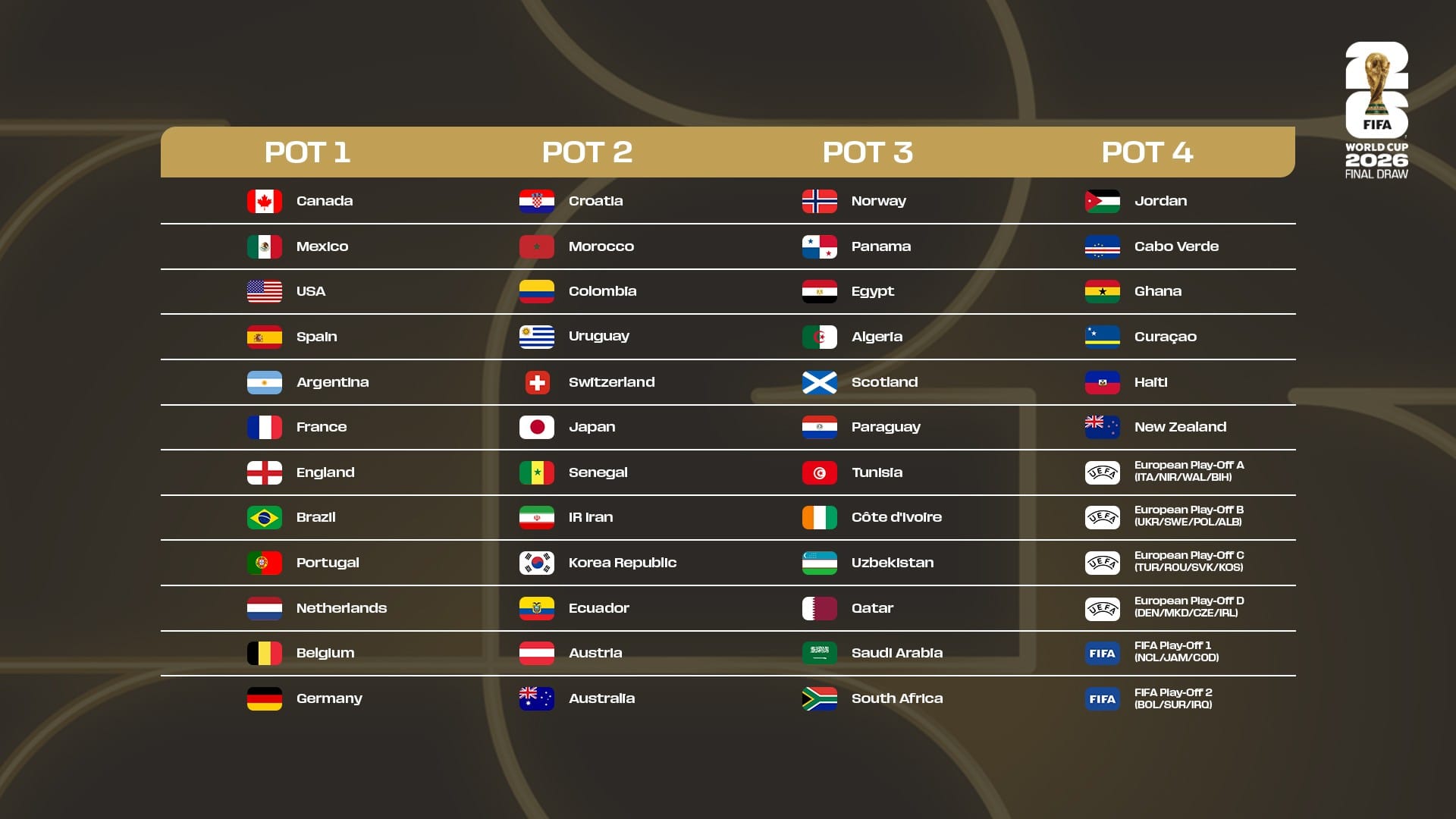
A live simulation tool changes how you experience the World Cup in real time. The World Cup 2026 live simulator locks in actual match results as they happen and updates the bracket automatically so you always see the current state of the tournament in one place.
Most fans follow the World Cup through a combination of score alerts, social media and live match streams. A live simulator gives you all of that information organized into a single coherent tournament picture — current group standings, which teams have advanced, which bracket slots are confirmed and which matches remain to be played.
How the Live Simulator Updates During the Group Stage
As each group-stage match finishes the live simulator updates that group’s standings table immediately. After Matchday 1 across all 12 groups you see the first real picture of tournament dynamics — which nations top their groups, which are in danger and which results were the real surprises.
Matchday 3 is the most valuable time to use a live simulator. All four teams in each group play simultaneously. A live simulator that updates in real time across parallel matches shows you in a single view how each group’s final standings are forming as goals go in across multiple venues. That experience is impossible to replicate through individual match streams.
Using the Live Simulator in the Knockout Rounds
After each knockout match finishes the bracket updates and the remaining simulation fields open for the next round. You can use those open fields to predict the remaining tournament from the current real-world standings.
Getting More Out of Multiple Simulation Runs
Running the simulator more than once reveals how much the 2026 World Cup bracket depends on specific results going certain ways. A single simulation run produces one plausible outcome. Five or ten runs show the range of outcomes that exist within reasonable prediction parameters. Track how often your predicted champion reaches the Final across multiple runs. If they reach the Final in eight out of ten simulations, that is a high-confidence pick. If they reach it in three out of ten, the prediction is more speculative.
The most useful simulation exercise is the stress test. Take your champion pick and deliberately enter the most difficult possible opponents in each knockout round. If your predicted champion still wins against tougher opposition across multiple simulation runs, the prediction is robust. If the champion only wins the easy bracket draw, the prediction is fragile and should be reconsidered before you lock it in.
This from-here simulation is one of the most engaging uses of a live tool. By the Quarterfinals every team is known, every path is clear and the possibilities have narrowed to a small set of realistic Final matchups. Running the remaining simulation from that point gives you a tournament prediction grounded entirely in what has actually happened.
