Introduction: Are You Ready for the Revolution?
Electric vehicles are no longer just a futuristic concept—they’re here and they’re transforming how we think about transportation. The Aion EV is leading the charge in this revolution. As you explore the aion ev official website, you might wonder: How do such innovations fit into our daily lives? Picture this—edge computing nodes smartly managing power distribution to give users an efficient drive every time. It’s not just technology; it’s about transforming experiences. Well, let’s dive deeper and see how Aion stands at the forefront of this evolution.
Hidden Challenges in the EV Sphere
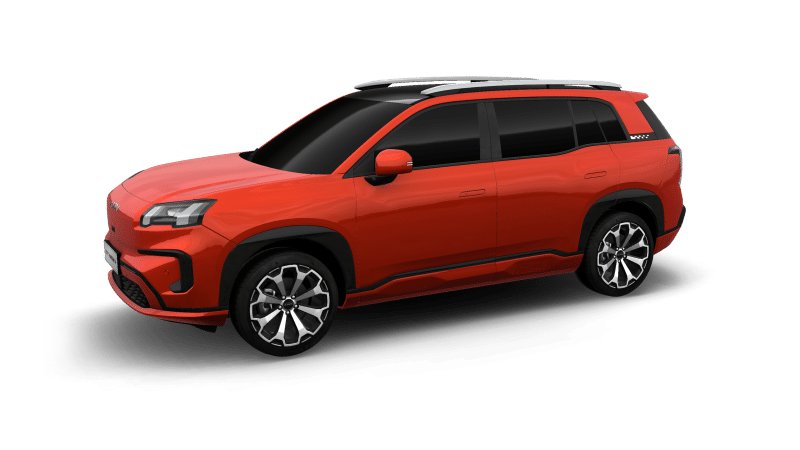
In the electric vehicle industry, tradition clings stubbornly. Older solutions, like outdated power converters, clatter loudly behind cutting-edge innovations. On the aion ev official website, a clear emphasis on advancing technologies paints a brighter picture. But why break the mold? Because clunky old setups lead to inefficiencies that users silently endure—like decreased battery lifespan and inconsistent driving performance. Look, it’s simpler than you think: With integrated energy management systems, Aion EV eliminates these nagging concerns.
Is Tech Changing the Game?
Traditional models leave room for improvement. Sure, they served their time, but without active thermal management and adaptive chassis, vehicles struggle in the modern environment. Poor range and high maintenance costs—these pain points plague users. Yet, by embracing contemporary technologies like smart drive systems and regenerative braking, aion ev for sale offers a transformative shift, ultimately enhancing consumer satisfaction.
Gazing Into the Future: Aion’s Path Forward
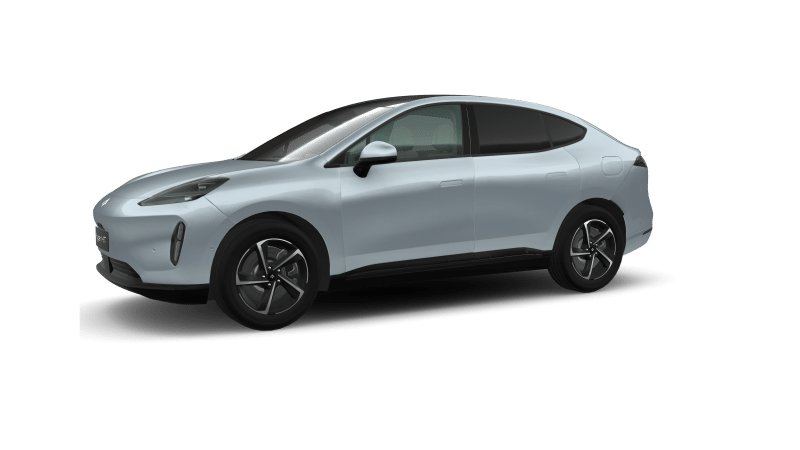
What lies ahead for Aion EVs? They’re setting a benchmark others will strive to reach. By 2025, expect to see real-world impacts—vehicles that communicate with each other and optimize routes in real-time. Funny how that works, right? These developments aren’t just probable; they’re inevitable. As we explore these case examples of technological prowess, it’s clear: A new dawn is upon us—a world of smart, sustainable driving awaits.
What’s Next for Electric Vehicles?
Think forward—new technology principles integrated within Aion EV suggest a promising future. With trends pointing towards automated driving and energy-efficient innovations, Aion is on the cutting edge. Automated features will deepen the connection between user and machine, redefining convenience for commuters. These aren’t just aspirations; they’re plans in motion. There’s no doubt each forward leap comes with learning curves, but measured progress promises a bright outcome.
Concluding Thoughts
In reviewing the Aion EV’s pathway through past challenges and future opportunities, several insights emerge. Lessons? Continuous evolution and adaptability drive success. Future strategies must incorporate adaptable systems to thrive. Consider not just the car’s technology—but its resonance with modern lifestyles. As you conclude your visit to the GAC, think about the bigger picture at play: an era where innovation doesn’t just echo with change—it defines it.