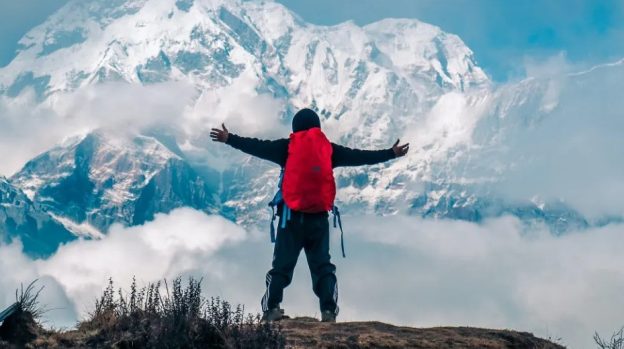
Ensuring your safety and well-being on the Trek to Annapurna Base Camp can make or break this stunning experience through Nepal’s beautiful Himalayas. The journey is tough on the body as well: high altitude, rapidly changing weather, and the kind of rugged terrain that will snap an ankle if you are not careful. By being aware and taking caution, climbers can make sure their time in the mountains is safe and worthwhile.
Altitude sickness is the biggest problem in the Annapurna Base Camp trek. The risk increases as you climb higher than 2,500 metres, where oxygen concentration is decreased. Symptoms are headaches, nausea, light-headedness, and tiredness. Acclimatization is key: ascend slowly, plan for rest days, and be in tune with your body. Do not go more than 300-500 meters higher from one day to the next over 3,000 meters. If the symptoms accelerate, descending is mandatory. Since hydration is a key factor in reducing altitude sickness, you will be together to drink liters of water during the trek.
Preexisting fitness before the hike also has a significant impact on safety. Endurance, strength, and flexibility training for your cardiovascular system will prepare your body for long walking days over varied terrain. Hiking, jogging, and stair climbing while training stamina. You can prevent blisters and injuries by wearing a good pair of broken-in hiking boots. Hiking poles help you maintain balance on uneven ground or cushion the weight of your pack on extra-long days.
Annapurna circuit weather can be rather unpredictable, which can mean warm days and freezing nights. Layering helps you quickly modify your level of protection, depending on the weather and activity. The waterproof, wind-resistant skin shields against rain and snow. You will need sunscreen, sunglasses, and a hat to protect you from strong mountain UV light. Bring a first aid kit of basic items, including painkillers, blister treatment, antiseptic, and (if recommended by a doctor) meds for altitude sickness.
Another priority is the safety of food and water. Only consume freshly prepared food from reputable teahouses and don’t eat raw or unwashed food to avoid picking up stomach bugs. Don’t drink water from an untreated source (it can contain bacteria and parasites). Water purifying tablets or filters generally don’t make it safe. Hand sanitizer products can help you keep your hands clean even when you do not have access to water.
Emergency evacuation and trekking insurance are highly recommended. The Annapurna region is so remote that medical care can be hard to come by. If you are seriously ill or injured, you should do whatever it takes to get out, including a costly helicopter medevac if you’re not insured.
Annapurna Base Camp Trek: Go with a guide or trail, which will add a level of safety with local knowledge and help if something goes wrong. Guides lead the way, track health and coordination, and talk with rescue teams if necessary.
Lastly, being mentally prepared is another added safety. Keeping a cool head and thinking clearly in a difficult situation, like altitude sickness or unexpected weather, can make all the difference in safety. Choose your health over daily distances, and if things get worse, turn around at any time.
With some attention to acclimatization, physical preparation, the right gear, safe food and drink, and insurance, you can enjoy the breathtaking beauty of Annapurna Base Camp in safety. Acknowledgment of your body and nature’s limitations will ultimately provide the same enviable trekking experience through one of the planet’s most iconic mountain ranges.
How Can I Avoid Altitude Sickness on the Annapurna Base Camp Trek?
Acute mountain sickness is a potential risk for trekkers as they ascend to Annapurna Base Camp, at an altitude of 4,130 m. The primary reason is decreased oxygen at high altitudes, which can cause headaches, nausea, dizziness, and fatigue. Like many hiking maladies, the best way to avoid altitude sickness is proper acclimatization: ascending slowly so your body has time to adjust. Do not ascend more than 300-500 metres per day over 3,000 meters, and add a couple of rest days to your schedule. Remaining well-hydrated by drinking lots of water promotes acclimatization and relieves symptoms. Leave the booze and smokes at home, as both can exacerbate altitude sickness during the hike. Some trekkers take medications, such as acetazolamide (Diamox), after consulting with a doctor. It’s essential to listen to your body and not try to power through severe symptoms — descending if they intensify can save a life. Knowledge and anticipation of altitude sickness ensures that you will have a safe trip and an enjoyable trek to Annapurna Base Camp.
What Are the Best Methods for Staying Hydrated on the Trail?
ABC Trek Appropriate hydration is critical to maintaining energy levels and avoiding Altitude sickness during the Annapurna Base Camp trek. This is because cold and dry mountain weather and physical activity lead to a high rate of water loss, which means you must drink at least 3 to 4 liters a day. To this end, carry a permanent water bottle and replenish it as necessary, but purify the water before consumption. Purification tablets, UV filters, or boiling water are also ways to prevent getting sick from water. Do not drink water from streams or questionable sources without treating it first. Electrolyte powders may also help to restore the salts lost through sweating and restore balance. Instead of drinking large amounts of water at intervals, sip water throughout the day. And don’t forget to cut back on caffeine and alcohol, which cause dehydration. Proper hydration is a key factor in physical performance as well as acclimatization, and helps to minimize headaches and fatigue while hiking.
How Do I Pick and Use Trekking Gear for Safety and Comfort?
Annapurna Base Camp Hike The right trekking gear is crucial to having a safe and comfortable trek to Annapurna Base Camp. Strong hiking boots with ankle support and waterproofing help to prevent well, sprains, and blisters on rocky ground. Make sure to break in your boots long before day one. Layering is important in order to cope with a range of temperatures – hot daytime hiking to very cold nights. Wear moisture-wicking base layers, insulating mid-layers such as fleece, and waterproof outer shells to keep dry and warm. Hiking poles bring you balance and stability on any kind of terrain, help you to prevent muscle soreness, and encourage good form. A good backpack with padded straps that fits you comfortably and includes a rain cover to protect your things. Sun protection gear and sun wear such as sunglasses, a wide-brimmed hat, and sunscreen with high SPF to protect against strong UV rays are also a must. The right gear makes the difference between damage and recovery, between endurance and running out of gas, and honestly, it makes the trip a whole lot more fun.
What Are the Most Common Health Problems on the ABC Trek?
In addition to altitude sickness, trekkers can encounter other health problems, including dehydration, blisters, muscle strains, gastrointestinal problems, and more. Ill-fitting shoes and excessive walking are common causes of blisters; to prevent them, try moisture-wicking socks and blister pads. You can sometimes also prevent Muskelkater and Muskelzerrungen by doing warm-up exercises and stretching both before and after trekking. Gastrointestinal illnesses are typically caused by consuming contaminated food or water, so be sure to select clean teahouses and drink boiled water. Colds, or respiratory infections, if there is cold and dust, use layered clothes and cover your mouth with a scarf in a dusty atmosphere. When you’re equipped and understand basic self-care, you can address minor illness and injury issues on the trail with confidence.
How much fitness is needed before going for the Annapurna Base Camp Trek?
Top physical condition is imperative if you’re to deal with the testing terrain and altitude of the Annapurna Base Camp trek. Conditioning with regular cardio workouts, like running, biking, and hiking, helps develop the stamina and lung capacity needed to ascend the high elevations. Work-resistant training that targets glutes and quads adds balance and helps in decreasing the risk of injury on unsteady trails. Flexibility and stretch work alleviate muscle stiffness and soreness. When you train wearing weighted backpacks, it is similar to training your muscles to carry gear during the hike and allows your body to adjust to the pressure. Being in decent physical shape decreases fatigue and will help with acclimatization and enjoyment of the trail. It is recommended you begin a regular fitness training plan well in advance of your trip, at least a few months in advance, in the best interest of your preparedness and enjoyment.
Best Foods to Eat as You Trek the Annapurna Base Camp Trail, for Energy and Health?
Annapurna Base Camp Trekking During the Annapurna base camp trip, you need to eat healthy and energy-dense food to be in good shape and healthy. Choose high-carbohydrate meals, like rice, potatoes, noodles, and breads, which will give you energy throughout the day. For muscle repair, add protein-rich sources like lentils, eggs, and meat to the menu. Fruits and vegetables provide needed vitamins and minerals while strengthening immunity and promoting good health. Teahouses serve Dal Bhat, a carb-a-licious side of traditional Nepali food ideal for budget trekking. Stay away from fried and oily foods that can lead to digestive issues at high altitude. Nibbling on nuts, energy bars, and dried fruits between meals is the best way to maintain steady energy levels during long hiking days. Encouraging drinking plenty of fluids with hot soups and herbal teas bolsters digestion and warmth. It’s better to eat small and frequent meals instead of consuming heavy meals less often because nausea and fatigue can set in. A balanced diet while on the trail helps physical performance and fends off illness.
How Can I Dispose of Trash and Help Protect the Annapurna Environment?
Annapurna Trek The unspoilt environment of the Annapurna region is a responsibility that all trekkers must ensure to preserve. To safely handle waste, always bring reusable water bottles and avoid single-use plastics. Use biodegradable soap for washing and throw waste on the assigned collection sites of teahouses, or take it to the village if it looks disgusting. Pack out everything that doesn’t decompose, i.e., wrappers and plastics, because waste disposal is not great on the Trail. Do not throw trash anywhere on paths or in the rivers to protect the water sources and animal habitats. A lot of trekking companies advertise Leave No Trace policies, which promote a low-impact policy. Packing a small trash bag and following local rules serve to preserve the natural beauty of the Annapurna Conservation Area. There is something to be said about sustainable tourism, and by responsibly managing waste, you help to maintain the region for the next vacationers.
What Are the Symptoms of Hypothermia, and How Can I Prevent It on the Trek?
Hypothermia, which happens when the body temperature falls to a dangerous level, can result from cold nights and sudden weather changes along the Annapurna Base Camp trek. Symptoms in the early stages include shivering, coldness, confusion, frustration, tiredness, and slurred speech. Untreated, hypothermia can cause insensibility and death. In addition, prevention tactics for staying warm include wearing layers, such as thermal underwear, a fleece jacket, and a waterproof shell. Stay dry by wearing appropriate rain gear and changing wet clothing immediately. Eating and drinking help keep the body warm. Cover the extremities: hands with gloves, head with a hat, and feet with warm socks. If you or a hiking buddy develops symptoms, seek shelter, warm up slowly using blankets or body heat, and avoid alcohol or caffeine, since both worsen heat loss. Knowing hypothermia symptoms and prevention is very important for being safe in the unpredictable mountain air.
How Can I Prevent Sunburn and UV Exposure at High Elevation?
ABC Trekking The level of UV exposure is higher in higher altitudes like Annapurna Base Camp as the atmosphere becomes crisp and thin, which may lead to sunburn and skin cancer in the long run. To protect yourself, wear broad-spectrum sunscreen with a minimum SPF of 30 every single day, even when it is cloudy. Reapply every two hours and after sweating or wiping your face. Accessorize with UV-shielding sunglasses, which will help keep Oprah Winfrey’s tips for looking great when you fly. You want to protect your eyes from snow glare and UV rays that can lead to conditions like snow blindness, says Anne Sumers, M.D., a clinical spokesperson for the American Academy of Ophthalmology. Wear a wide-brimmed hat or cap to protect your face and neck. Lightweight long-sleeved apparel allows for further protection of the skin and coolness. Try not to be in the sun during midday hours (10 a.m. to 4 p.m.) when the sun’s rays are the strongest. These measures will prevent skin damage and painful burns, and help keep you safe and comfortable on your hike.
Why You Need Travel Insurance for the Annapurna Base Camp Trek
Annapurna Sanctuary Trek A terrain this remote and demanding means the need for trekking-specific travel insurance for the Annapurna Base Camp trek is critical. It includes medical emergencies, evacuation costs, and trip cancellations. Anything from $35 to $99. Should something go wrong and you suffer extreme altitude sickness, an accident, or severe illness that requires an evacuation by helicopter, insurance will pay for expensive rescue and hospital expenses that, in the worst-case scenario, could have financial consequences. Insurance might also cover lost or stolen gear, flight delays, and trip interruptions. A large number of trekking agencies and permits will also require you to have insurance before they allow you to enter. You will need to make sure you choose a policy that covers high-altitude trekking up to 5,000m. For adventurous people traveling in a rugged place—the Himalayas—this peace of mind is invaluable and means trekking can be enjoyed free of concern for costs or emergencies.
Is the Annapurna Circuit Safe?
Annapurna Circuit is quite safe for trekkers who make sure to get ready and trek safely. The trail is well-traveled and includes many teahouses, checkpoints, and rescue services. But safety is mostly a function of such things as condition, acclimatisation, weather, and staying within permit regulations. The main hazard posed by high passes like Thorong La (5,416 meters) is altitude sickness, so it is essential to climb slowly, keep hydrated,,d and identify symptoms early. Safety can be improved by trekking with a guide or in a group to utilise local knowledge and for assistance. Weather at sea can be unpredictable (especially during the shoulder seasons), so you’ll want to pack accordingly. Trail conditions can change due to landslides or road work del,, ays or detours. The political situation and security in Nepal’s trekking areas are fine, but it’s advisable to take updated information before you travel there. In conclusion, and with just a bit of preparation, some understanding of the environment, and the obvious bit of careful consideration, you can find a safe and enriching adventure in travelling the Annapurna Circuit.
Where is the Annapurna Base Camp?
Everest Base Camp Trek The trek to Annapurna Base Camp usually starts from either Nayapul or Pokhara in Nepal’s Gandaki Province. Pokhara is generally the beginning of the trek for the trekkers, which is connected by road from Kathmandu and boasts multiple trekking agencies and gear. From Pokhara, trekkers typically have a short drive to Nayapul, where the official trailhead begins. The trail meanders through several beautiful Gurung villages like Tikhedhunga, Ghorepani, and Chhomrong before climbing up to Annapurna Base Camp (4,130m). Nayapul is the entrance point to the Annapurna Sanctuary, starting with a train to the Annapurna Conservation Area. The route is well-travelled and is serviced by lodges and teahouses, where independent and guided trekkers can find accommodation and food. Trekking in Nayapul or Pokhara enables trekkers to acclimate slowly with breathtaking views of the Annapurna massif and other stunning peaks.
When is the Best Time to Annapurna Circuit?
The optimal period to traverse the Circuit is either just pre- or post-monsoon (spring or autumn, respectively). Spring, between March and May, sees moderate temperatures, blooming rhododendron forests, and more chances of clear views, which is why it’s a busy period for trekkers. The best time to trek is in autumn, from late September to November, when the weather is nice, the air is crisp, and the mountains can be seen in all their glory, post monsoons. Both seasons have wonderful hiking weather during the day and not-too-cold at night. During the monsoon (June-August), the trails are slippery, landslides are common, and trekking is dangerous and not enjoyable. Winter (December-February) is cold with snow on the higher passes, making for low access but less crowded trails by trekkers who don’t mind the cold. When is the Best Time to Walk the Annapurna Circuit? Spring and autumn are the most popular seasons; favoured since you will have a better chance of clear and dry weather, while the teahouses and guesthouses are open.
How Hard Is the Annapurna Circuit Trek?
Everest Base Camp /Annapurna Circuit is a moderately difficult to challenging trek that is only appropriate for fit trekkers with some prior trekking experience. The distance is ±160-230 kilometers, depending on variances, and usually involves 14-21 days. It comes with varied landscapes: river valleys, dense forests, and high mountain passes like 17,769-foot Thorong La — the trek’s highest point. Altitude gain is the principal obstacle, and proper acclimatization is necessary to avoid altitude sickness. Depending on walking time, daily walking hours are: 4-8 hours over hill and dale. Difficulty can also be influenced by current weather and trail conditions. No experience in technical climbing is necessary, though strength and a bit of gumption will be important. For those who have trained, packed gear, and acclimatised properly, the trek is both enjoyable and manageable. For the uninitiated, hiring a guide or being part of a group can not only help make things a little safer but also provide some much-needed support.