In the oil and gas industry, safety is paramount. With the potential for hazardous situations during drilling operations, effective training is crucial. This is where drilling simulation becomes an invaluable tool. By providing a realistic and controlled environment, it allows trainees to develop their skills without the inherent risks associated with actual drilling. In this article, we will explore how drilling simulation enhances safety training and prepares professionals for real-world challenges.
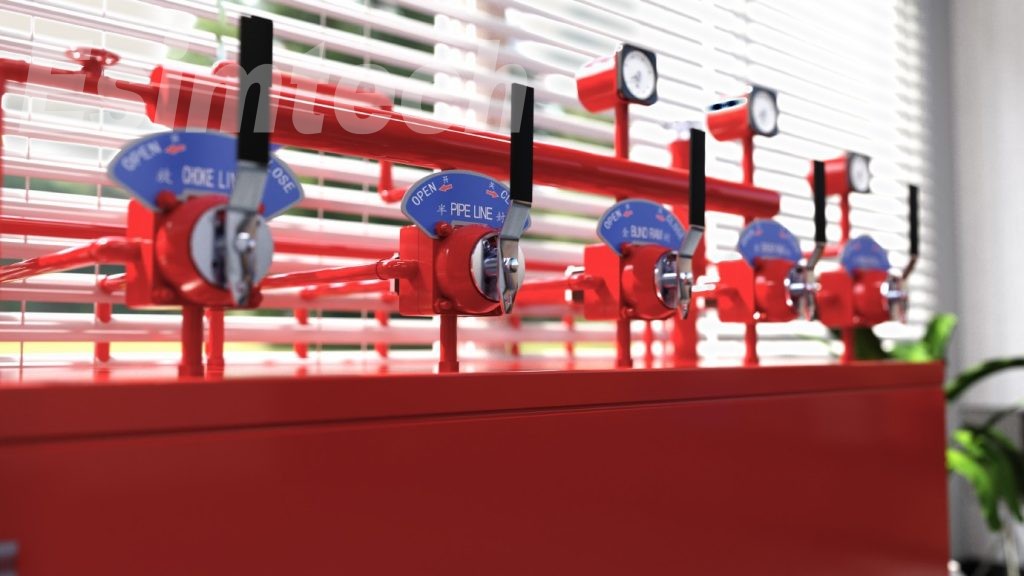
Risk-Free Practice Environment
One of the most significant advantages of Drilling Training Simulators is their ability to create a risk-free environment for trainees. Real-world drilling operations are fraught with dangers such as:
- Blowouts
- Well fires
- Equipment malfunctions
These risks can lead to severe injuries or fatalities. In contrast, drilling simulations allow trainees to practice various scenarios, including emergency situations, without fear of real harm. This setup encourages learning through trial and error, as mistakes can be made and corrected in a safe space.
Realistic Emergency Scenario Simulation
Drilling simulations are designed to replicate a variety of emergency scenarios, such as:
- Blowouts
- Fires
- Hydrogen sulfide leaks
- Equipment failures
This realistic approach not only enhances trainees' ability to respond effectively but also prepares them to handle unexpected events calmly. The training environment fosters adaptability, ensuring that personnel are ready for any situation.
Enhanced Safety Awareness and Skills
During simulation training, trainees can see firsthand the consequences of safety violations, leading to a deeper understanding of safety protocols. By repeatedly practicing correct procedures, such as well control operations and the proper use of personal protective equipment (PPE), they develop good safety habits that are critical in high-risk environments.
Customized and Targeted Training
Another significant benefit of the Drilling Simulation Training System is its ability to tailor training programs to meet the specific needs of different personnel. For instance:
| Role | Focus Areas |
|---|---|
| Drilling Engineers | Well control techniques, blowout prevention |
| Roughnecks | Safe handling of drilling tools and equipment |
This customization ensures that training is relevant and effective, allowing personnel to gain the skills necessary for their specific roles and responsibilities.
Real-Time Feedback and Assessment
Drilling simulation systems offer real-time feedback on trainees' actions, highlighting safety violations and improper techniques immediately. This instant correction helps trainees understand the right procedures and reinforces learning. Additionally, performance evaluations can identify strengths and areas for improvement, enabling a focused approach to skill enhancement.
Repetitive Training and Continuous Improvement
One of the unique aspects of drilling simulations is the ability to repeat scenarios. This repetitive training reinforces knowledge and allows trainees to master safety procedures and techniques. As they progress, the complexity of simulations can be increased, challenging them to adapt and grow in their safety capabilities.
Team Collaboration and Communication Training
Effective drilling operations rely heavily on teamwork. Drilling simulations replicate the collaborative nature of real-world operations, allowing trainees to practice communication and coordination in a safe environment. This aspect of training is crucial for ensuring that all team members can work efficiently together during emergencies.
Cost-Effective and Efficient Training
Traditional safety training can be resource-intensive, requiring significant investments in equipment and materials. In contrast, drilling simulations only require appropriate software and hardware, making them a more economical option. Training can be conducted in a classroom setting or dedicated training labs, drastically reducing costs while maintaining high training standards.
Finally, drilling simulation systems can collect and analyze training data, providing valuable insights into trainee performance. Instructors can use this data to refine training programs and improve methods, ensuring that the training remains relevant and effective. By continuously adapting training content based on performance analysis, organizations can enhance their overall safety training initiatives.
In conclusion, the benefits of drilling simulation for safety training in the oil and gas industry are substantial. From creating a risk-free environment to offering customized training and real-time feedback, these simulations significantly enhance the effectiveness of safety training programs. As the industry continues to evolve, investing in advanced drilling simulation tools will be essential for ensuring the safety and preparedness of all personnel involved in drilling operations.