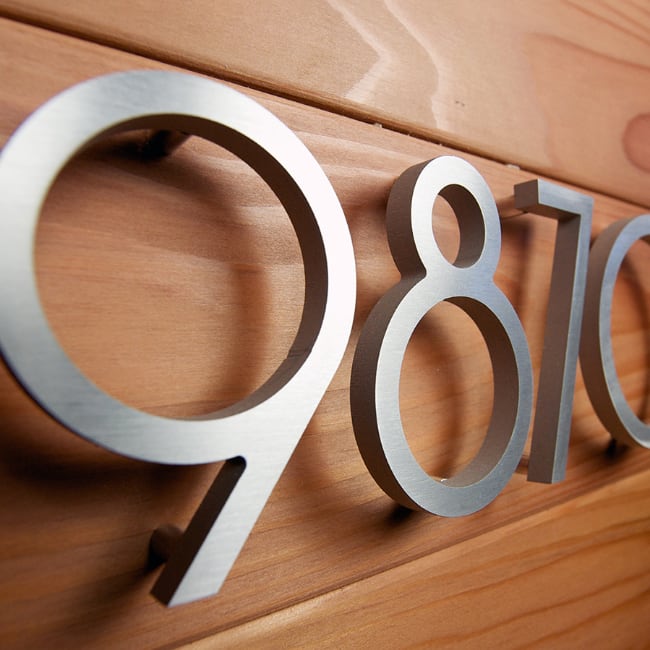
When it comes to selecting a put up sign that complements your home’s esthetic, it’s momentous to consider both work and title. A domiciliate sign serves as a practical tool for distinguishing your prop, but it also plays a significant role in the overall curb invoke and of your home. The right house sign should feel like a seamless telephone extension of your home’s design, whether it’s modern, traditional, rustic, or eclecticist. house signs.
First, think about the bailiwick title of your home. For a modern font home with strip lines and minimalistic design, a slick and simple sign in materials like metallic element or glass could heighten its coeval look. A perceptive font with a monochrome color pallette would likely work best to maintain that modern font feel. On the other hand, for a more traditional or cottage-style home, you might opt for a sign made of wood or a stuff that has a rural, handcrafted feel. A sign with a ornamental skirt or complex lettering can help the charm and warmth normal of these home styles.
The colour connive of your home is another critical thoughtfulness. A sign should complement, not clash with, the outside colors of your house. If your home is varicoloured in neutral tones like gray, white, or ecru, a melanise or tan sign can create an graceful . For a brighter or bolder distort connive, you might want to select a sign in a more neutral shade off or one that picks up on an accentuate colour from your home’s outside. This helps make harmony and ensures the sign doesn’t drown the overall look of your property.
The font and typography you choose are also essential to the overall esthetic. A coeval font works well for Bodoni font homes, while a more rhetorical or hand font may be better suitable for a classic or vintage-style home. It’s remarkable to make sure the font is clear from a distance, as the primary feather function of the sign is still to identify your put up. Be redolent of how the font interacts with the material you’ve elect. For example, bold fonts look outstanding on solidness, sturdy materials like wood or metal, while more touchy fonts might suit a lighter, softer downpla.
In damage of material, there are many options available, each offering a unique look and feel. Wood is a pop choice for its rustic charm, while metallic element offers a more contemporary and serviceable choice. Materials like slate, pit, or can add a natural , perfect for homes with a more earthy or organic fertiliser aesthetic. You may also want to consider weather-resistant options, particularly if you live in an area that experiences harsh endure conditions. Materials such as stainless nerve, aluminum, or acrylic can withstand the while maintaining their visual aspect over time.
Don’t leave about the positioning of the put up sign. It should be panoptic and easy to turn up, ideally near the spellbind or at the look of the prop. However, it should also heighten the esthetics of the area around it, whether that’s hanging from a post by the driveway or appendant to the wall by the face door. A sign that’s thoughtfully positioned can enhance the overall atmosphere and curb appeal, making your home feel more hospitable.
Choosing the right house sign is at long las about balancing functionality with aesthetic appeal. By considering your home’s subject area title, color intrigue, stuff choices, and typography, you can select a sign that reflects your personal taste and enhances the knockout of your prop. With the right sign in direct, you’ll not only make it easier for visitors to find your home but also add a pleasing finishing touch to the overall design of your quad.